Detail


Livelihood Transformation
Breaking the Cycle: How ‘Sustainable Economic Forests’ Are Rewriting the Future of Climate Action in Southeast Asia
SOUTHEAST ASIA – Across the developing world, climate change and economic hardship are often inextricably linked. In rural communities bordering degraded lands, families frequently resort to unsustainable logging or slash-and-burn agriculture simply to survive. This desperate scramble for resources accelerates ecological decline, which in turn deepens poverty.
It is a systemic crisis that has long challenged NGOs and governments alike. However, an organization named Grow One Future (G1F) is deploying a novel solution designed to dismantle this cycle entirely. By introducing the concept of "Sustainable Economic Forests," G1F is pioneering a model where ecological restoration and human prosperity are not opposing forces, but mutually reinforcing goals.
SOUTHEAST ASIA – Across the developing world, climate change and economic hardship are often inextricably linked. In rural communities bordering degraded lands, families frequently resort to unsustainable logging or slash-and-burn agriculture simply to survive. This desperate scramble for resources accelerates ecological decline, which in turn deepens poverty.
It is a systemic crisis that has long challenged NGOs and governments alike. However, an organization named Grow One Future (G1F) is deploying a novel solution designed to dismantle this cycle entirely. By introducing the concept of "Sustainable Economic Forests," G1F is pioneering a model where ecological restoration and human prosperity are not opposing forces, but mutually reinforcing goals.
SOUTHEAST ASIA – Across the developing world, climate change and economic hardship are often inextricably linked. In rural communities bordering degraded lands, families frequently resort to unsustainable logging or slash-and-burn agriculture simply to survive. This desperate scramble for resources accelerates ecological decline, which in turn deepens poverty.
It is a systemic crisis that has long challenged NGOs and governments alike. However, an organization named Grow One Future (G1F) is deploying a novel solution designed to dismantle this cycle entirely. By introducing the concept of "Sustainable Economic Forests," G1F is pioneering a model where ecological restoration and human prosperity are not opposing forces, but mutually reinforcing goals.
SOUTHEAST ASIA – Across the developing world, climate change and economic hardship are often inextricably linked. In rural communities bordering degraded lands, families frequently resort to unsustainable logging or slash-and-burn agriculture simply to survive. This desperate scramble for resources accelerates ecological decline, which in turn deepens poverty.
It is a systemic crisis that has long challenged NGOs and governments alike. However, an organization named Grow One Future (G1F) is deploying a novel solution designed to dismantle this cycle entirely. By introducing the concept of "Sustainable Economic Forests," G1F is pioneering a model where ecological restoration and human prosperity are not opposing forces, but mutually reinforcing goals.
SOUTHEAST ASIA – Across the developing world, climate change and economic hardship are often inextricably linked. In rural communities bordering degraded lands, families frequently resort to unsustainable logging or slash-and-burn agriculture simply to survive. This desperate scramble for resources accelerates ecological decline, which in turn deepens poverty.
It is a systemic crisis that has long challenged NGOs and governments alike. However, an organization named Grow One Future (G1F) is deploying a novel solution designed to dismantle this cycle entirely. By introducing the concept of "Sustainable Economic Forests," G1F is pioneering a model where ecological restoration and human prosperity are not opposing forces, but mutually reinforcing goals.
SOUTHEAST ASIA – Across the developing world, climate change and economic hardship are often inextricably linked. In rural communities bordering degraded lands, families frequently resort to unsustainable logging or slash-and-burn agriculture simply to survive. This desperate scramble for resources accelerates ecological decline, which in turn deepens poverty.
It is a systemic crisis that has long challenged NGOs and governments alike. However, an organization named Grow One Future (G1F) is deploying a novel solution designed to dismantle this cycle entirely. By introducing the concept of "Sustainable Economic Forests," G1F is pioneering a model where ecological restoration and human prosperity are not opposing forces, but mutually reinforcing goals.
SOUTHEAST ASIA – Across the developing world, climate change and economic hardship are often inextricably linked. In rural communities bordering degraded lands, families frequently resort to unsustainable logging or slash-and-burn agriculture simply to survive. This desperate scramble for resources accelerates ecological decline, which in turn deepens poverty.
It is a systemic crisis that has long challenged NGOs and governments alike. However, an organization named Grow One Future (G1F) is deploying a novel solution designed to dismantle this cycle entirely. By introducing the concept of "Sustainable Economic Forests," G1F is pioneering a model where ecological restoration and human prosperity are not opposing forces, but mutually reinforcing goals.
SOUTHEAST ASIA – Across the developing world, climate change and economic hardship are often inextricably linked. In rural communities bordering degraded lands, families frequently resort to unsustainable logging or slash-and-burn agriculture simply to survive. This desperate scramble for resources accelerates ecological decline, which in turn deepens poverty.
It is a systemic crisis that has long challenged NGOs and governments alike. However, an organization named Grow One Future (G1F) is deploying a novel solution designed to dismantle this cycle entirely. By introducing the concept of "Sustainable Economic Forests," G1F is pioneering a model where ecological restoration and human prosperity are not opposing forces, but mutually reinforcing goals.
- Hello
- Hello
- Hello
SOUTHEAST ASIA – Across the developing world, climate change and economic hardship are often inextricably linked. In rural communities bordering degraded lands, families frequently resort to unsustainable logging or slash-and-burn agriculture simply to survive. This desperate scramble for resources accelerates ecological decline, which in turn deepens poverty.
It is a systemic crisis that has long challenged NGOs and governments alike. However, an organization named Grow One Future (G1F) is deploying a novel solution designed to dismantle this cycle entirely. By introducing the concept of "Sustainable Economic Forests," G1F is pioneering a model where ecological restoration and human prosperity are not opposing forces, but mutually reinforcing goals.
SOUTHEAST ASIA – Across the developing world, climate change and economic hardship are often inextricably linked. In rural communities bordering degraded lands, families frequently resort to unsustainable logging or slash-and-burn agriculture simply to survive. This desperate scramble for resources accelerates ecological decline, which in turn deepens poverty.
It is a systemic crisis that has long challenged NGOs and governments alike. However, an organization named Grow One Future (G1F) is deploying a novel solution designed to dismantle this cycle entirely. By introducing the concept of "Sustainable Economic Forests," G1F is pioneering a model where ecological restoration and human prosperity are not opposing forces, but mutually reinforcing goals.
SOUTHEAST ASIA – Across the developing world, climate change and economic hardship are often inextricably linked. In rural communities bordering degraded lands, families frequently resort to unsustainable logging or slash-and-burn agriculture simply to survive. This desperate scramble for resources accelerates ecological decline, which in turn deepens poverty.
It is a systemic crisis that has long challenged NGOs and governments alike. However, an organization named Grow One Future (G1F) is deploying a novel solution designed to dismantle this cycle entirely. By introducing the concept of "Sustainable Economic Forests," G1F is pioneering a model where ecological restoration and human prosperity are not opposing forces, but mutually reinforcing goals.
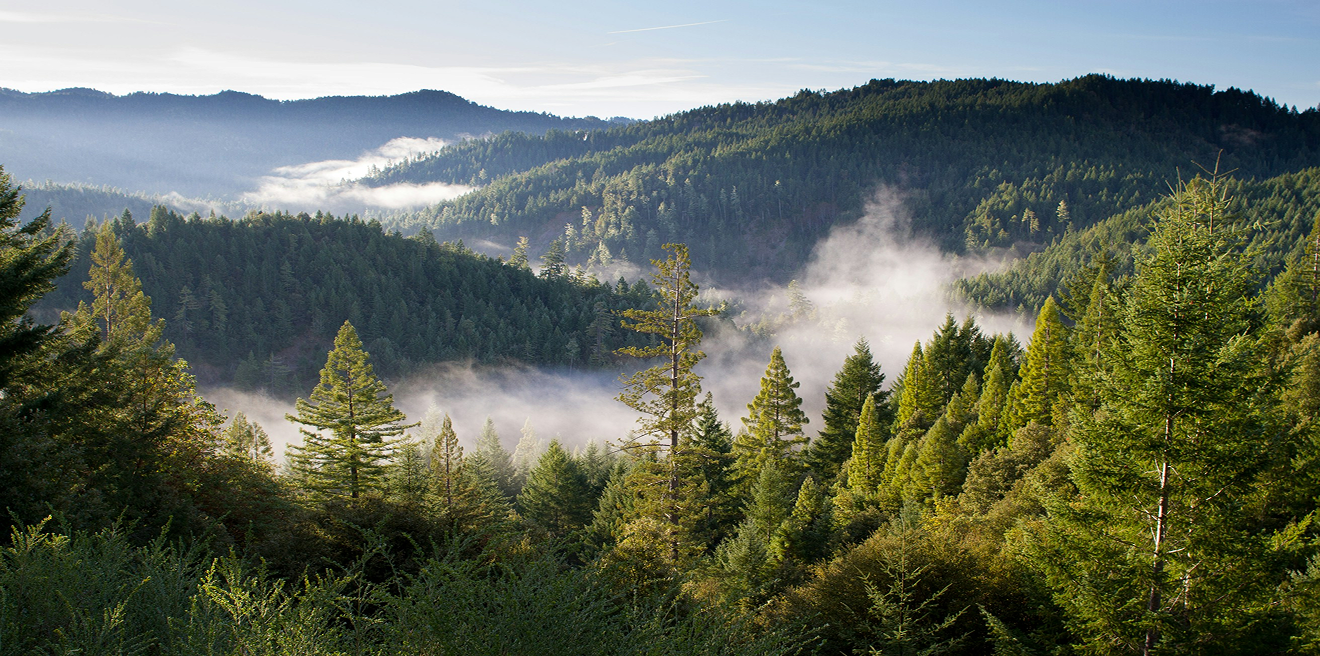
SOUTHEAST ASIA – Across the developing world, climate change and economic hardship are often inextricably linked. In rural communities bordering degraded lands, families frequently resort to unsustainable logging or slash-and-burn agriculture simply to survive. This desperate scramble for resources accelerates ecological decline, which in turn deepens poverty.
- Across the developing world, climate change and economic hardship
- Across the developing world, climate change and economic hardship
- Across the developing world, climate change and economic hardship
- Across the developing world, climate change and economic hardship
SOUTHEAST ASIA – Across the developing world, climate change and economic hardship are often inextricably linked. In rural communities bordering degraded lands, families frequently resort to unsustainable logging or slash-and-burn agriculture simply to survive. This desperate scramble for resources accelerates ecological decline, which in turn deepens poverty.
A better future. Is calling
From one gift, we restore native forests with local communities-bringing wildlife bac, creating fair livehoods, and building resilence to heat and floods. You’ll recieve photo updates and project report as your impact takes root.


+1000 People have donated
$
$

Other news
Related Perspectives
View all